Charlie's Plumbing & Gas Solutions

Water Filtration Systems Explained: Types, Uses & Advantages

Brisbane’s tap water is considered among the safest and cleanest in the world. Local water authorities, including Seqwater, treat and monitor supply to meet the strict Australian Drinking Water Guidelines . This ensures residents can safely drink water straight from the tap.

Still, many households and businesses choose to install Water Filtration Systems in Brisbane. Why? Because while tap water is safe, treatment processes often leave behind traces of chlorine, sediments, or minerals that affect taste and odour . Older pipes in some areas may also contribute to unwanted particles such as rust or metals.

Water filtration systems provide an extra layer of protection and comfort by removing impurities, improving taste, and extending the lifespan of household appliances. Whether in residential kitchens, cafés, or commercial facilities, filtration ensures better quality water for drinking, cooking, and everyday use.

In this guide, we’ll explain the types of water filtration systems available in Brisbane, their specific uses, and the advantages they bring for homes and businesses alike.

Why Filter Brisbane’s Water?

First things first: Is Brisbane’s tap water safe? Yes. Water authorities in Queensland add disinfectants like chlorine to kill germs and comply with the Australian Drinking Water Guidelines (a stringent national standard).

In fact, Seqwater – the state bulk-water supplier – says SE Queensland’s water quality meets those strict benchmarks. In short, you won’t get sick drinking our tap water.

However, those safety measures can leave behind tastes or traces you might not love. CHOICE explains that “safe drinking water requires additives you can often smell or taste, such as chlorine”. 

Ever noticed that slight chlorine scent in tap water? It’s harmless but can make water taste a bit boring. That’s where a filter comes in: it can remove the smell, taste, or any fine particles, giving you crisp, clean-tasting water straight from the tap. 

In Brisbane’s lifestyle scene, where you might brew artisanal coffee at home or host a Friday barbecue, having great-tasting water is just as important as a good album on the playlist.

Aside from taste, filters can cut out potential contaminants that even the best treatment might overlook – things like tiny sediment, heavy metals (lead, copper) leached from old pipes, or trace chemicals. And if you’re worried about “forever chemicals” (PFAS) or pesticides, some advanced systems can reduce those too. 

In short, Water Filtration Systems in Brisbane are mostly about upgrading your tap water experience: better flavour, fewer surprises, and maybe fewer plastic bottles in your bin. Think of a filter as a bouncer for your water, catching the stuff you don’t want in, while letting through the good, clean H₂O.

(Insert image of a modern kitchen with a shiny tap and a glass of clear water on the counter)

Types of Water Filtration Systems

There’s no one-size-fits-all – water filters come in different styles. Below are common types of water filtration systems you’ll find in Brisbane homes and businesses, and what they do:

  • Activated Carbon Filters: These use charcoal or coconut shell carbon. They adsorb (trap) chlorine, bad tastes, odors, and many chemicals. You’ll see them in pitcher filters, fridge filters, faucet-attached filters, and under-sink units. They’re affordable and great for everyday use. CHOICE notes that carbon (adsorption) filters “remove odour, taste and particles”.

  • Reverse Osmosis (RO): A high-tech option that pushes water through a semipermeable membrane, blocking up to 99% of dissolved solids. RO can strip out heavy metals (lead, arsenic), nitrates, fluoride, salts, and even some PFAS. It gives ultra-purified water – basically turning Brisbane tap water into something like distilled.

    The trade-off? It wastes some water (around 40–60% can be flushed away) and often requires a separate mini-faucet for the drinking water. RO systems are common under-sink or in tight spaces; breweries and labs also use them.

  • UV Purification: Ultraviolet filters zap microbes. If your water source has bacteria, viruses or parasites (unlikely in city mains, but possible in bore or tank water), a UV light unit will neutralize them. UV units are usually installed under the sink or at the point-of-entry for whole-house use.

    Remember, UV works only on clear water – it won’t remove dirt or chemicals, so it’s often paired with a sediment pre-filter.

  • Ion Exchange (Water Softeners): Technically for “hard water” – these systems swap out calcium and magnesium (which cause scale) for sodium or potassium. If your Brisbane suburb has hard water (some do), a softener can protect pipes and make soaps lather better. It’s a specific use-case filter, not for toxins.

  • Sediment Filters: These are simple mesh or pleated filters that catch dirt, rust, sand and other particles. You’ll find them as a first stage in many multi-filter setups, or in rainwater tank systems. They make sure downstream filters don’t clog too fast.

  • Distillers (much less common): They boil water and re-condense it, removing most contaminants. Good for super-pure needs, but they are energy-guzzlers and slow.

  • Whole-House Systems vs Point-of-Use: A whole-house (point-of-entry) system sits at the main water line and treats all water entering your home – perfect if you have multiple taps, showers, and appliances you want to protect. Conversely, point-of-use systems (under-sink units, tap filters, pitchers) only treat water at a specific faucet.

    Most Brisbane apartments use point-of-use filters for drinking/cooking, while some houses opt for a whole-home filter so even showers and laundry use soft, filtered water.

To compare key types at a glance, here’s a handy table:

Filter Type Removes Best Use Case
Carbon Filter (adsorption) Chlorine, sediment, many chemicals (VOCs), bad tastes/odors Under-sink, fridge or pitcher filters for drinking water
Reverse Osmosis Heavy metals (lead, arsenic), fluoride, nitrates, salts, some PFAS Dedicated drinking water taps (e.g. kitchen), aquariums, labs
UV Sterilizer Bacteria, viruses, parasites Well or tank water; under-sink for microbe disinfection
Ion Exchange (Softener) Hardness minerals (calcium, magnesium) Whole-house systems to prevent scale in pipes/appliances
Sediment Filter Rust, sand, dirt particles Pre-filter in any system; rainwater or bore water lines


Residential vs Commercial Systems

Homes: In Brisbane residences, the usual suspects are pitcher filters, faucet/tap-mounted filters, and under-sink RO or carbon systems. Young professionals might grab a stylish stainless-steel filter jug or plumb in an under-sink filter for their gourmet coffee water. Whole-house filters (often carbon or softeners) are less common in apartments, but some family homes install them for every tap, especially if local water hardness is high.

Businesses: Think on a larger scale. Cafés, restaurants and offices might install point-of-entry units or larger-capacity RO systems to serve many people. For example, a trendy riverside café in West End might have a big RO unit for its espresso machine and ice maker (customers expect perfect taste). Hotels or hospitals use industrial-grade purifiers to meet strict hygiene needs.

In commercial setups, water filters also serve machines – protecting dishwashers, boilers, and cooling systems from scale or corrosion.

Whether it’s a small coffee shop or a high-rise apartment block, the principle is the same: filter out unwanted stuff to keep water delicious and equipment happy. And in Brisbane’s humid climate, removing chlorine and sediment can also prevent that musty taste and keep showers feeling fresh.

Uses and Applications

Where do you actually use filtered water? Here are some everyday scenarios:

  • Drinking & Cooking: The most obvious. Filtered water makes tea and coffee taste better, soup clearer, and plain water fresher. If you (or your barista friend) are pouring an espresso, pure water can enhance the bean’s character.
  • Home Appliances: Installing a filter or softener helps dishwashers, washing machines, and water heaters. For instance, a water softener in Brisbane (if you have hard water) can extend the life of your kettle by reducing scale build-up.
  • Baths & Showers: Some people fit shower filters to cut chlorine – it means gentler water for skin and hair. Fancy spas and gyms do this for a luxe feel.
  • Gardening and Aquariums: Clean water keeps plants and fish healthy. (Though aquarium hobbyists often use RO water to start their fish tanks to avoid chlorine and minerals that harm fish.)
  • Commercial & Industrial: As mentioned, businesses use filtered water for food prep, coffee machines, ice makers, lab experiments, or even cooling towers. Large plants treat water chemically, but standalone filters add a layer of confidence.
  • Health & Lab Use: In healthcare or lab settings, filters ensure water meets exact standards. Even at home, parents might want purified water for baby formula – some pediatricians suggest filtering to reduce nitrates or fluoride to appropriate levels.
  • Recreational (Travel): Aussies love road trips! Portable filters (like squeeze pouches or travel jugs) can purify collected rain or creek water when you’re bush camping outside Brisbane. If you have a rainwater tank at home, filters become essential for safe drinking.

In all these cases, Water Filtration Systems in Brisbane serve to either improve comfort (better tasting coffee) or safeguard health (removing pathogens or pollutants).

Advantages of Using a Water Filter

Why go through the hassle of installing a filter? Here are the top perks, laid out plainly (with a bit of wit):

  • Better Taste & Odour: No more sniffing chlorine! Filters give you crisp, fresh-tasting water. You might finally enjoy water on its own without lemon wedges. (Yes, you’ll drink more water – imagine how hydrated you could be.)
  • Health & Safety: Filtering can remove heavy metals and chemicals, lowering long-term risks. It also can eliminate microscopic nasties in rare cases (a UV filter kills them instantly). CHOICE reminds us that while treated water is safe, filters add an extra layer of protection, especially for families with kids or immune-compromised members.
  • Eco-Friendly: Cut down on single-use bottles. Brisbane council loves recycling, but imagine the impact if more of us just drank from the tap! A home filter pays for itself (and saves plastic) after a relatively small use.
  • Cost Savings: Once installed, filtered tap water is much cheaper per litre than bottled water. The biggest cost is periodic filter changes – still usually less than buying premium bottled water every week.
  • Convenience: Instant filtered water from the tap means no more refilling heavy jugs from store. For busy city folk, this is a simple lifestyle upgrade.
  • Protect Appliances and Plumbing: Scale and rust get caught in filters, so your pipes, irons, and kettles might last longer. Think of it as a bodyguard for your kitchen hardware.
  • Peace of Mind: Even though Brisbane’s water is top-notch, knowing you have an extra safety net is comforting. It’s like having health insurance for your water.

By choosing the right system, you tailor these benefits to your needs. For example, if chemical runoff (pesticides) is a local concern, a carbon/RO combo will target that. If you’re in a heritage house with old lead pipes, filtering out heavy metals is wise. In short, filtration brings confidence and comfort to water use in Brisbane homes and offices.

Choosing and Maintaining Your System

Picking a filter is a bit like choosing a new smartphone – there are models for every budget and need:

  1. Identify what you want removed. Is it mainly chlorine and taste? Then a carbon filter or basic under-sink unit will do. Concerned about hard water scale? Consider a softener. Need pure H₂O (for brewing or medical use)? Look at RO or distillers. A simple water test (available online or from councils) can pinpoint any problems with your tap water.
  2. Consider capacity and flow. A pitcher filter is cheap but only produces a few glasses before refilling. Under-sink and whole-house filters handle larger volumes at the flip of a tap. Match it to your usage: single person vs. a houseful of thirsty mates, or a coffee shop vs a small home kitchen.
  3. Check Certifications. For true performance, look for systems certified to Australian or NSF standards. These tests verify a filter removes what it claims.
  4. Installation and Maintenance. Some filters you DIY (pitchers, some tap mounts). Others need plumbers (whole-house units, RO hookups). All filters need regular cartridge changes – typically every 3–12 months depending on use. Set a reminder on your calendar or phone. A forgotten old filter can become counterproductive (spent cartridges can harbor bacteria).
  5. Budget. Costs range from ~$50 for a pitcher to several hundred for under-sink units, up to a few thousand for whole-house systems. Remember to factor in ongoing filter replacements. Balance upfront cost with longevity and quality.
Water Filtration Systems in Brisbane
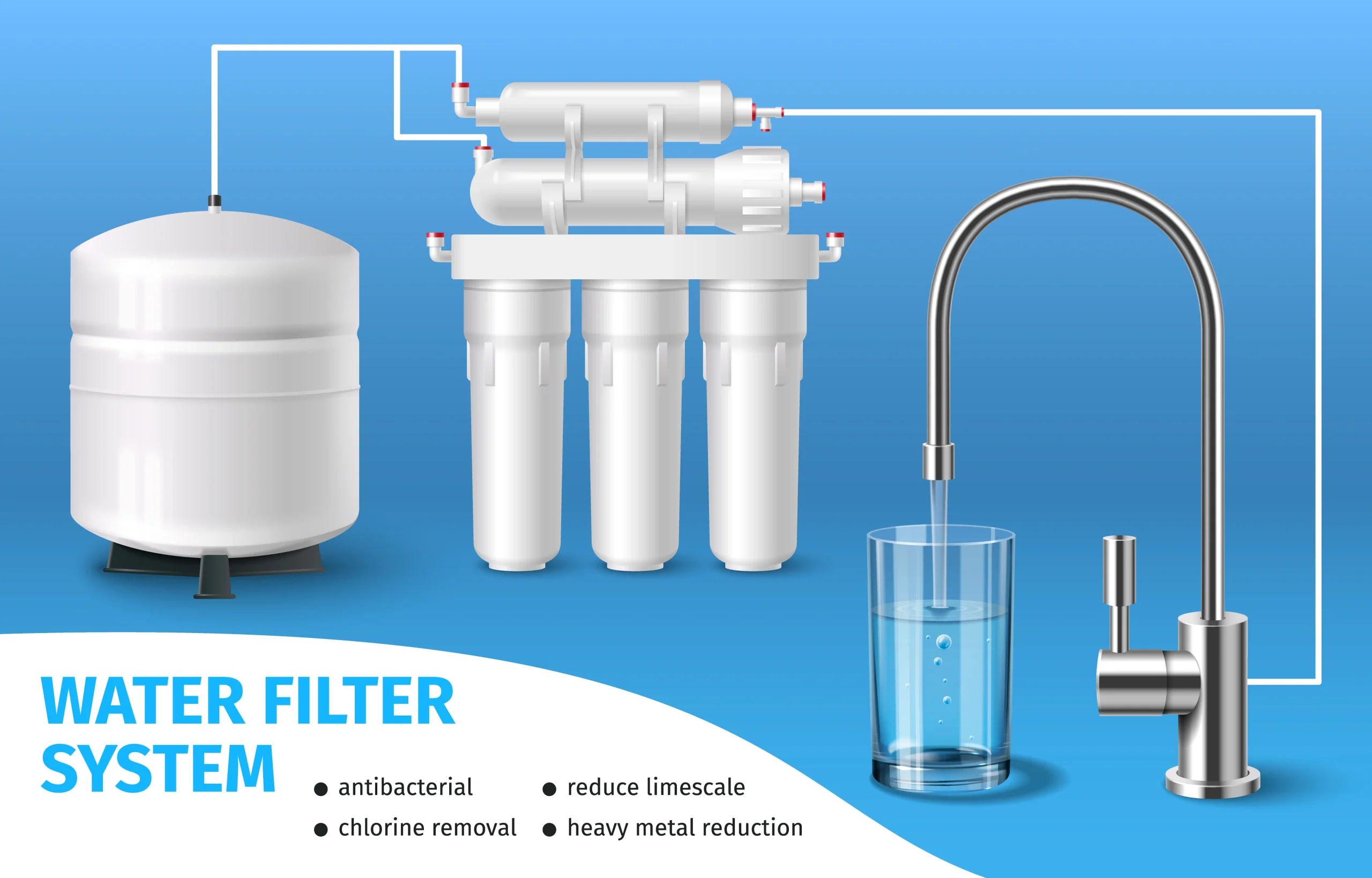
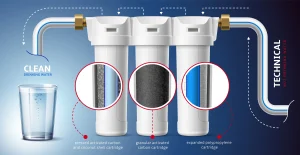
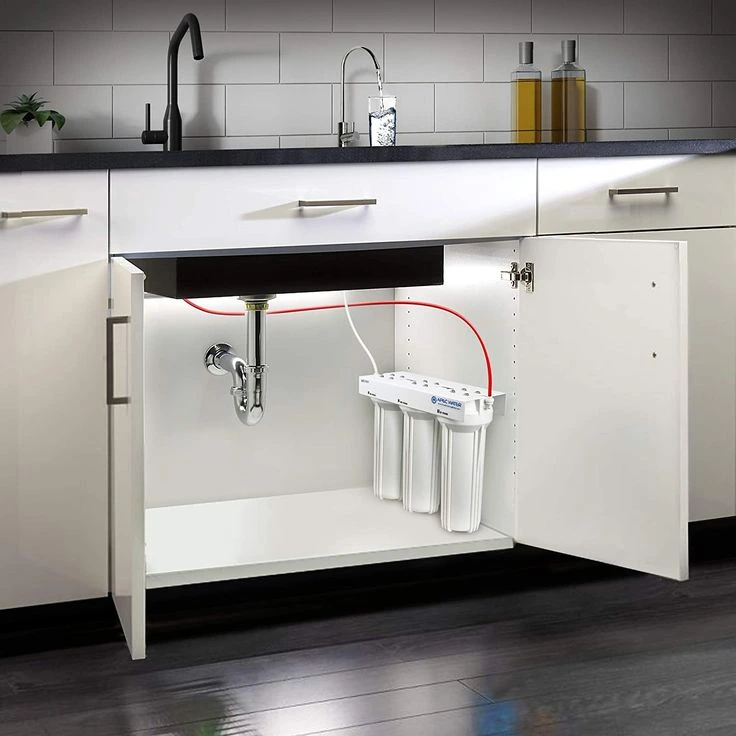
Multi-stage under-sink water filtration system with labels of each filter stage

Conclusion

Water is literally the source of life, and Water Filtration Systems in Brisbane give you control over what’s in that life-sustaining sip. Our city’s water is already excellent by Australian standards, but a good filter can turn fine into fabulous – better taste, fewer impurities, and extra confidence that every glass is as clean as can be.

Whether it’s a chic under-sink filter in your New Farm apartment or a heavy-duty RO system for a corner café, understanding the types, uses and advantages is key. Choose wisely, follow the simple upkeep, and you’ll be well-hydrated with some bonus peace of mind.

Ready to upgrade your water? Explore options and maybe make that investment in a filter – your tastebuds (and plumber) might just thank you. Feel free to share this guide or your own filtration stories, and cheers to crisp, clean water in Brisbane!

Frequently Asked Questions

Do I really need a water filter for Brisbane tap water?
Generally Brisbane tap water is safe and meets guidelines. A filter is optional – mainly used to improve taste (remove chlorine) or target specific contaminants for extra peace of mind.

What types of water filters can I install at home?
Common options include activated carbon filters (pitchers, under-sink taps), reverse osmosis units, UV purifiers, water softeners, and whole-house systems. Each has its pros: carbon filters improve taste, RO removes many minerals, UV kills microbes.

How often do I need to replace the filter cartridge?
It depends on usage and filter type. Many cartridges last 3–6 months for a family; some heavy-duty filters run 6–12 months. Check the manufacturer’s guideline and replace on schedule to keep your system working well.

Can water filters remove all contaminants like lead or PFAS?
Some advanced filters (RO and certain carbon systems) can reduce heavy metals (lead, copper) and PFAS. No filter removes everything, so match the filter to your needs and certifications. For example, RO membranes remove a wide range of contaminants.

What’s the difference between a whole-house filter and an under-sink filter?
A whole-house system treats all water entering your property (all taps and showers). An under-sink or countertop filter only treats water from a single faucet. Whole-house protects plumbing and appliances; point-of-use is usually cheaper and only used for drinking/cooking.

Are filtered water bottles or pitchers effective?
Yes, they use activated carbon to improve taste and catch some contaminants. They’re convenient and portable, though slower and needing frequent refills. They’re a good starter solution if you rent or want a quick taste upgrade.

How do I know if my tap water has problems?
If water looks odd (brown, cloudy), smells, or leaves stains, there might be an issue. Check official reports (water supplier websites) and test kits for specific contaminants. Often you can just replace/clean old pipes or flush the system; if concerns remain, a filter can help filter out discoloration or rust.
Water Filtration Systems Brisbane: DIY or Hire a Pro?

You might love the taste of Brisbane’s coffee, but what about the taste of your tap water? In Brisbane, Water Filtration Systems are a hot topic – after all, our city’s water is famously pretty good, but a lot of locals still consider giving it the “GQ treatment” with a filter. As someone who’s stood at the hardware store aisle wondering “Could I hook that up myself, or should I ring the plumber?”, I hear you. This guide dives into everything from water quality in Brisbane to the nitty-gritty of installing filters. We’ll compare DIY vs professional installations, so by the end you’ll know whether to grab a wrench or dial a number.

Why Think About Water Filtration in Brisbane?

Brisbane’s tap water is no joke – it’s treated to meet strict Queensland standards. The Queensland Government reminds us that drinking water must hit certain health and aesthetic values. Chlorine is added to kill germs and give water its (sometimes-pungent) ozone smell, and the authorities keep a close eye on trace elements like copper or iron. In fact, Seqwater, our regional water supplier, proudly says they provide a “safe, high-quality water supply” that meets the Australian Drinking Water Guidelines.

But let’s be honest: even with all those checkmarks, plenty of Brisbanites have their doubts (and tastes!). Maybe you’ve noticed a slight chlorine tang, or a stubborn layer of calcium chalk on your kettle – totally harmless, yet kind of annoying. (Brisbane water is known to be on the harder side, with mineral levels that can leave limescale on fixtures.) These are the quirks of our dams and rivers, not dangerous stuff, but enough to make you think: “Do I need an extra filter?”

Water Filtration Systems Brisbane
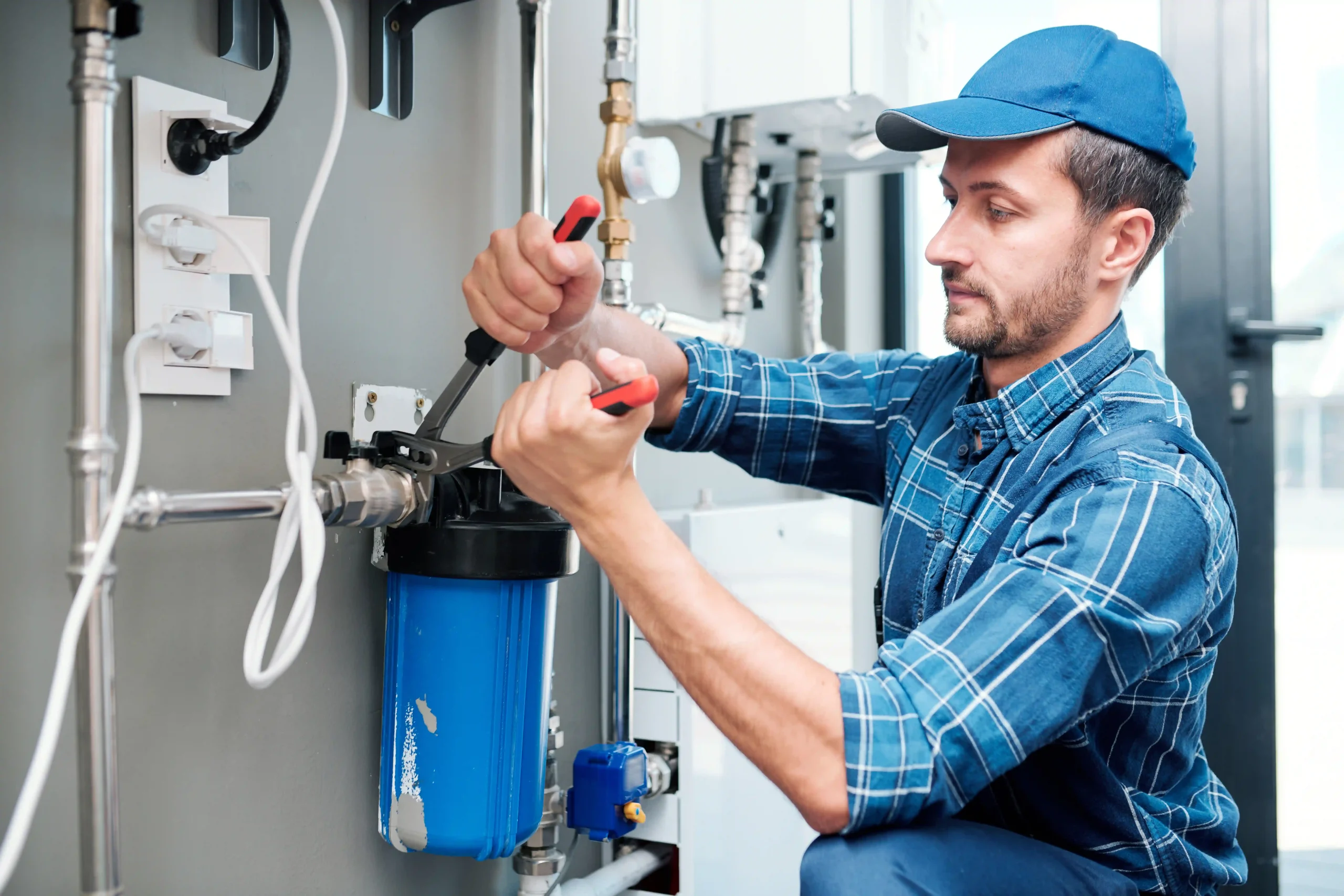
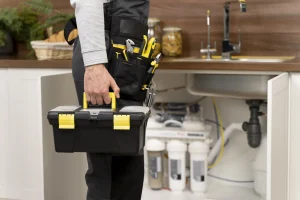
 A DIY enthusiast tightening an under-sink filter fitting, or a kitchen scene with tools and plumbing parts.

So, why do Brisbane homes consider water filtration systems at all? Mainly for improved taste, odor and sometimes safety. A good filter can zap any remaining chlorine, organic muck, or pesky minerals that make water taste “off”. Western Australia’s health department even notes that many filters “improve the taste and odour of water” by removing naturally occurring or added chemicals. (Activated carbon filters are champs at this – they soak up chlorine, iron, manganese and other gunk.) If you use rainwater or a private bore, filtration can be about safety too: Queensland Health reminds tank owners that you’re on the hook for your water’s quality.

In short, Brisbane tap water is generally safe and well-managed, but a filter can make it taste fresher or tackle those hard-water headaches. Let’s explore what kinds of filters are out there.

Types of Water Filtration Systems

Brisbane homes have plenty of water filtration options. Here’s a quick rundown of popular systems:

  • Pitcher/Bench-Top Filters (Carbon Cartridges): Think Brita-style jugs or filtered pitchers. These are cheap and easy – you fill a container, and carbon absorbs chlorine and some tastes. They can improve taste but only handle a small flow (great for a nightstand or gym use, not fast enough for a shower!).

  • Tap/Countertop Filters: Attach to your kitchen tap or sit on the bench. They usually contain activated carbon to remove odors and chlorine. Handy for drinking water, but not a whole-house solution.

  • Under-Sink Filters (e.g. Reverse Osmosis or Multi-Stage): Installed under the kitchen sink, they often use multiple stages (sediment trap, carbon, RO membrane). Reverse osmosis (RO) systems stand out – they can strip out bacteria and most dissolved chemicals. (RO even softens water by removing calcium and magnesium salts, though it wastes some water in the process.) Under-sink filters deliver highly purified water to a dedicated tap.

  • Whole-House Filters/Softener: Plumbed into your main supply, these systems treat all water in the house – showers, laundry, everything. They can use media (like carbon or salt-based softeners) to reduce hardness and remove chlorine from every tap. A whole-house softener can prevent limescale on kettles and glassware (major plus if your Brisbane water is “hard”). Installation is more complex, but it means filtered water everywhere.

  • UV Sterilizers or Special Filters: If you have tank water or a rural supply, ultraviolet lamps or special ceramic filters can kill bacteria. Queensland Health notes that only RO or disinfection (UV/chlorine) fully removes pathogens. So for rainwater tanks, a combo of filters + UV is often used.

Filter Type

What It Removes Installation

Pitcher/Portable

Chlorine, some tastes/odours Plug-and-play (no plumbing)

Tap/Countertop

Chlorine, light sediments Screw-on (minimal plumbing)

Under-Sink (Multi-stage)

Chlorine, heavy metals, some bacteria

Requires under-sink plumbing

Reverse Osmosis (RO) Most chemicals/minerals, bacteria

Under-sink (often needs drain)

Whole-House Filters Chlorine, sediment, hardness

At main water line (professional)

UV Filter (tank) Bacteria, parasites

Plumbing to entire house (pro)

Table: Common water filtration systems. RO = reverse osmosis. Softener = whole-house salt-based system.

Image suggestion: 

With so many choices, where do you even start? The right filter depends on your water quirks and goals. For example, if your concern is mostly chlorine taste in drinking water, a simple carbon filter (even a fridge filter or jug) might do. If hard water spots plague your shower and kettle, a whole-house softener is the superhero.

DIY Installation: The Good, the Bad, and the Wet

So you’re handy (or you think you are). The idea of DIY water filtration sparkles with savings and control. Buying and installing a filter yourself means only paying for parts, not labor. You’ll feel proud setting it up with your own two hands. For simple systems like pitcher filters or clip-ons, it really is plug and play. Even many under-sink kits come with instructions that make it seem straightforward: “Just cut the cold water line, attach fittings, twist in the filter…” Right?

In theory, DIY is attractive. A clever home-improver might enjoy the project and keep more cash. As Bluonics puts it, DIY appeals for cost savings and the “satisfaction of completing a project independently”. You get to peek behind the plumbing curtain and understand exactly what’s going on. And if you already have tools and a Saturday to spare, why not?

However (and there’s always a however) – be aware of the risks. DIY water filter installation is not always a walk in the park, especially for whole-house systems. It requires serious plumbing chops and the right tools. Bluonics bluntly lists considerations: you need “plumbing skills and knowledge of local building codes”. If you’re not 100% confident using pipe cutters, soldering copper, or shutting off water safely, you could make a mess. Plumbing in Australian homes (especially older Queenslanders) can be surprisingly non-standard!

Common DIY pitfalls include:

  • Leaks & Floods: A loose fitting or cracked pipe can lead to water dripping into cabinets or, worse, spraying the floor. We’ve all seen the basement floods on home renovation shows. One Aussie plumbing team warns that many DIY water filter jobs end with leaks or water damage if not done perfectly. And mold in a cabinet is nobody’s idea of fun.

  • Low Water Pressure: Improper installation can restrict flow. If you poke too many holes or choose a tiny pipe, you might find your shower gurgling.

  • Warranty Woes: Here’s a gotcha: many filter manufacturers void the warranty unless a licensed plumber installs the system. That means if you install it and something breaks, you might be left footing the full bill.

  • Time and Sweat: It might take all weekend, with trips to the hardware store, and a YouTube break every 5 minutes to double-check instructions.

Think of DIY like assembling IKEA without instructions. It can be rewarding, but one wrong screw and the cabinet falls apart. 😅 Even Bluonics advises: DIY saves some money but “comes with risks, such as the potential for leakage if not installed correctly”. In short, your DIY path is doable if you truly know what you’re doing – otherwise, you might end up wishing you’d called a pro.

Pros and Cons of DIY

  • Pros: Lower up-front cost (just equipment). Flexible timing. Satisfaction of doing it yourself.
  • Cons: Requires plumbing skills and tools. High risk of leaks or pressure issues. Time-consuming. Possible voided warranty.

Water Filtration Systems Brisbane
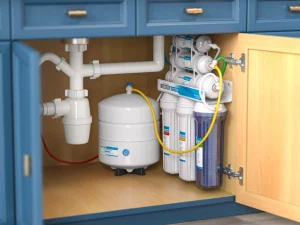
                                              Underneath-sink water filtration setup (canisters) 

Hiring a Professional: Plug-and-Play Peace of Mind

On the flip side, calling in a licensed plumber (or water filter specialist) can turn the install from a weekend drama into a half-day breeze. Plumbing pros have been there done that – they bring all the right tools (pipe cutters, wrenches, soldering kit, etc.) and know exactly how to make a watertight connection. As one US home pro site puts it: “Hiring a licensed and experienced plumber is your best bet for installing a whole-house water filtration system”.

Here’s why going pro is often worth the extra dollars:

  • Expertise & Compliance: Plumbers live and breathe pipes. They know local codes and where the shut-off valves hide. They’ll pick the ideal spot (usually near the main water inlet) so every drop passes through the filter. They’ll install bypass valves if needed and leave room for future maintenance. No surprises, no guesswork.

  • Guaranteed Workmanship: Many plumbers offer warranties on their work. If a leak somehow appears a week later, they’ll come fix it without charging extra. And remember that manufacturer’s warranty? They’ll install to spec so it stays valid.

  • Time & Convenience: You trade a few hundred dollars for literally hours of work. Most pros can set up an under-sink or whole-house filter in just 2-4 hours, including testing. You get clean water faster, with minimal disruption to your day.

  • Tailored Advice: A good plumber won’t just bolt on a random filter – they’ll assess your Brisbane home’s water. They know our local water can be hard on appliances, and they can recommend if you need a softener in your whole-house system or a UV light for extra safety.

On the downside, professional installation costs more. You’re paying hourly labor, which in Australia might range from $80–$150 or more. But consider this: cheap labor can be expensive labor if things go wrong. The cost of fixing a flood or undoing a botched job could dwarf the install fee.

One Australian plumbing blog sums it up nicely: DIY may save time of booking a pro, but hiring a licensed plumber “ensures watertight seals [and] proper integration into your home’s plumbing system”. And remember, worst-case scenario without a pro, you might need to pay a plumber anyway to fix your mistakes!

Pros and Cons of Hiring a Pro

  • Pros: Expert installation with warranty. Quick and efficient. Proper tools and parts on hand. Code compliance. Peace of mind.
  • Cons: Higher initial cost. Need to schedule (but many local Brisbane plumbers offer fast turnaround).

A quick table sums it up:

Factor

DIY Installation Professional Installation

Cost

Lower (parts only) Higher (labor + parts)

Expertise Needed

High (you supply skills/tools) None (let the pro handle it)
Time Required Long (maybe a day or more)

Short (often a few hours)

Guarantee & Warranty Self-limited; may void manufacturer’s warranty

Workmanship warranty; product warranty intact

Risk (Leaks, Damage) Higher (mistakes happen)

Lower (pro-tested installation)

Plumbing Code Compliance Yours to manage (risk of breach)

Guaranteed (licensed to code)

Table: DIY vs professional installation comparison.

Ultimately, the choice depends on you and your situation. If you’re a confident DIYer with plumbing experience (or it’s just a simple faucet filter), go for it. If you’d rather relax and sip a beer while someone else handles the torque wrench, booking a plumber might be worth it.

Cost Considerations and Long-Term Value

Let’s talk numbers (rough ballparks in Aussie dollars). A basic pitcher filter can be under $100, and installation is a nothing-burger. An under-sink carbon filter kit might be $200–$500, plus if you hire a plumber it could add $150–$300 for installation (depending on complexity). Reverse osmosis systems (under-sink, with tank) range from ~$500 up to $1500 for high-end kits; installation might be $200–$400. Whole-house filtration/softening is pricier: equipment alone can easily hit $1,000–$3,000 for a good system, and plumber time another $300–$600.

Do the math: A plumber’s fee (say $100/hr) plus the system might mean a $2,000 total spend. Compare that to the cost of constantly buying bottled water or running hard-water appliances (limescale can clog hot water heaters and ruin kettles!). Many find the investment pays off in convenience and longevity.

Also factor maintenance: Filter cartridges need changing regularly (every 6-12 months typically). Buying replacements is ongoing, whether you DIY or pro. The difference is, if you had a plumber install it, you might book them or a service plan to swap filters for you each year (some plumbing shops offer filter subscription services).

We won’t turn this into a price-list (no outright ads or brands here!), but just remember – if your fridge filter or purifier is $50 a pop, budget for that. And if your plumber suggests getting a bigger unit because, say, Brisbane water hardness will clog the small one fast, trust that local expertise.

Tips for Brisbane Homeowners

  1. Test your water (even informally): Some local stores or health shops sell test kits for hardness, pH, or basic contaminants. Not lab-accurate, but it clues you in. If you’re on tank water or bore, definitely test for bacteria or heavy metals.

  2. Match Filter to Need: Drinking tap’s fine? Maybe just a small filter for the kitchen. Noticed baking soda spots on your dishes? A whole-house softener might be the cure. Ask local Brisbane forums or neighbours – what do they use? (Brisbane Reddit, Nextdoor, etc. can be revealing).

  3. Look for Certifications: In Australia, filters should meet certain standards. For example, the NSF certification (international) or local equivalents. The WA Health site notes that not all filters kill bacteria – make sure your spec matches your goal.

  4. Check with Local Water Utility: Brisbane’s Urban Utilities and SEQ Water Grid have resources. They often update about water taste or issues (like that famous taste-and-odor event a few years back). If there’s news about your suburb’s supply, read it. The Queensland Government site even suggests contacting your provider if you suspect problems.

  5. Plan for Maintenance: Remember, a filter is only good until it’s clogged. Under-sink or whole-house systems need new cartridges yearly (sometimes more often if your water is heavy in sediment). Set a calendar reminder, or ask your installer to leave an automated reminder.

If you want more official info, the Queensland Government has a drinking water regulation page explaining safety standards. It’s a solid gov link to save – after all, they oversee your supplier.

FAQs

Q: What contaminants do water filters remove?
A: It depends on the type. Simple carbon filters remove chlorine and improve taste/odour. Reverse osmosis can remove chemicals, minerals, and some bacteria. UV or ceramic filters are needed to kill germs or parasites. Check the filter’s specs.

Q: How much does it cost to hire a plumber for installation?
A: Prices vary, but think hundreds of dollars. Plumbers might charge by the hour or a flat fee. The job usually takes a few hours, so budget around $300–$600 for labor, depending on your system’s complexity and your location in Brisbane.

Q: What’s the advantage of a whole-house system over an under-sink filter?
A: A whole-house system filters all water entering your home – showers, laundry, kitchen – not just at one tap. It removes chlorine and hardness everywhere, protecting your pipes, appliances and skin from minerals. Under-sink filters only serve drinking water, so showers and baths are still running on unfiltered (harder) water.

Q: Do water filters soften hard water?
A: Most carbon filters won’t soften hard water (they don’t remove calcium/magnesium salts). A reverse osmosis unit will reduce hardness in the filtered output, and a dedicated water softener (salt-based) is usually needed for whole-house hard water treatment.

Q: How often do filters need replacing?
A: Generally every 6–12 months for carbon/cartridge filters. Reverse osmosis membranes might last 2–3 years. Your installer or product manual should give a schedule. Regular changes ensure the filter works effectively and prevents clogging or bacterial growth.

Conclusion

In the land of sunshine and barbecues, your Brisbane home deserves water that’s just as bright. Water filtration systems can make your tap water taste cleaner and protect your plumbing from minerals – whether you put it in yourself or let an expert do it. The DIY route can save money if you’re confident with tools and pipes, but remember the risks of leaks or voided warranties. Hiring a professional plumber costs more but buys you peace of mind, correct setup, and a solid guarantee.

Ask yourself: How important is hassle-free, top-notch water to me? If the answer is very, then investing a bit and getting a pro might be worth it. If you’re a budding handyman ready for a weekend project (and maybe a minor adventure), a DIY install could be fun. Either way, the result – fresh, filtered water – is something everyone can toast to.

Ready to get started?

Whether you DIY or hire a pro, make sure you choose a system that fits Brisbane’s unique water, and check those official resources. Your future self (and your tap) will thank you with every crisp, clean sip.

Top 10 Health Advantages of Water Filtration Systems in Brisbane

Brisbane’s tap water is generally safe – our reservoirs and treatment plants meet strict Australian standards – but locals still notice funky tastes after a summer storm or smell chlorine in the morning glass. As one Brisbanite joked after recent rain: “My tap water tasted like we were brewing Vegemite!” It turns out this earthy, musty flavour is caused by harmless organic compounds (MIB) washed into dams during heavy rain. Even though officials assure us the water is non-toxic and “still okay to drink”, many households in Brisbane now install water filtration systems to strip out lingering chemicals, sediment and odd flavours. In this post we’ll dive into the Top 10 health advantages of Water Filtration Systems in Brisbane, from removing chlorine and pollutants to supporting hydration, with a splash of Brisbane charm along the way.

The Australian Drinking Water Guidelines, issued by the NHMRC, provide the national benchmark for safe drinking water—but many households choose filtration for added peace of mind and personalised safety. Heavy rains wash organic matter into those dams, leaving an “earthy” taste that only activated carbon filters or reverse osmosis can fully remove. Filtration is like giving your tap water an extra health check: it targets contaminants that official treatment may leave behind. Below we list the Top 10 health benefits of installing a water filtration system in Brisbane – from crystal-clear taste to removing nasties like lead and pesticides. You’ll also see a handy table summarizing common local contaminants and how filters tackle them. Whether you love outdoor Brisbane life or just need safe water for the kids, read on for a thorough (and wittily Aussie) rundown on why filtered water can be good for your body and peace of mind.

Water Filtration Systems in Brisbane

Why Water Filtration Systems in Brisbane Matter for Your Health

  1. Fresher Taste & Odour – No More Chlorine or “Pondy” Flavours. Brisbane’s council adds chlorine to kill microbes, but that can leave a chemical smell or bitter taste in your tap water. After heavy rain you might even detect a musty, earthy odour from organic compounds in our reservoirs. A carbon-based filter (or reverse osmosis system) acts like a miniature treatment plant at home, removing residual chlorine and the organic byproducts that annoy your nose and tongue. In fact, Western Australia’s Health Department confirms activated carbon filters remove chlorine, manganese and hydrogen sulfide (rotten-egg smell) along with objectionable tastes and odours. The result? Water that tastes crisp as a morning dew rather than “spent pool chemicals”, encouraging the whole family to drink up. Think of it as upgrading from “Brisvegas brew” to pure mountain spring water – your local tastebuds will thank you.
  2. Heavy Metal Guard – Filters Out Lead, Arsenic, Mercury. Many older homes (and some service mains) in Australia contain lead solder or brass fittings. Brisbane’s water supply is usually safe, but even small amounts of lead can accumulate in your body over time. The US EPA notes the ideal lead level in water is zero because lead is a toxic metal harmful at any exposure. Drinking water filters (especially reverse osmosis or fine-ceramic units) can reduce dissolved metals dramatically. For example, studies and industry sources report that advanced carbon/ceramic filters remove lead, chromium, selenium and even radium. By filtering your Brisbane water at the tap, you effectively “take out the lead” – protecting kids’ developing brains and adults’ cardiovascular health. (No more worry about hidden lead in that old logie-taled pipe under the house!) The filtered water is as pure as if it ran down from Mt. Coot-tha – minus the heavy metals.
  3. Chemical Protection – Clears Pesticides, Fertiliser Runoff & Nitrates. South-East Queensland’s catchments include farmland and urban runoff, meaning trace pesticides, herbicides and fertilisers can slip into drinking water. Nitrates from fertiliser, for instance, can cause “blue baby syndrome” if formula is made with untreated water. Filtration systems (like reverse osmosis or ion-exchange cartridges) tackle these agricultural chemicals, giving an extra safety net beyond council treatment. In short: if you live downstream from suburban gardens or farmland (or just want ultimate peace of mind), a filter captures the icky stuff that even tiny filters miss. This is especially great for new parents: baby formula mixed with filtered water has far lower nitrate and chemical loads. Anecdotally, local mums say their babies sleep better and have fewer tummy upsets when using filtered water – kind of like switching from a dust-rough pillow to silk.
  4. PFAS & “Forever Chemicals” – Eliminates Carcinogens. Recent tests revealed that Brisbane’s raw water contains perfluorooctanoic acid (PFOA) and perfluorooctane sulfonate (PFOS) – so-called PFAS or “forever chemicals” used in non-stick pans and firefighting foam – at troubling levels. These substances are linked to cancer and hormone disruption. Conventional treatment doesn’t fully remove PFAS, so having an at-home filter is a smart strategy. The good news: granular activated carbon (GAC) filtration can effectively adsorb PFAS (especially the common long-chain ones like PFOA), and reverse osmosis membranes remove over 90% of a wide range of PFAS. In practice, adding a certified RO unit or quality carbon filter gives you a second line of defence against these industrial contaminants. It’s like hiring a bouncer to turn away chemical troublemakers – protecting your cells from what even big waterworks miss.
  5. Kills Microbes – Extra Hygiene for Peace of Mind. The official line is Brisbane’s water is microbiologically safe to drink, but nobody minds double-checking. Filters with very fine pores (like ceramic or RO membranes) physically remove tiny organisms: Giardia, Cryptosporidium and bacteria can’t pass through a sub-micron filter. For example, premium point-of-use filters on the market are tested to trap parasitic cysts and bacteria. While your tap is chlorinated to kill germs, a home filter is a final barrier – especially useful if there’s ever a boil-water alert or you have a weakened immune system. Think of it as that personal hand-sanitiser you trust; a filter is your personal water-sanitisor. In short, filtered water is as microbiologically clean as if it had been boiled without the wait – except it’s already cool enough to drink!
  6. Boosts Hydration – Better Brain, Energy & Digestion. Here’s a health hack: you’re far more likely to gulp that glass of H₂O if it tastes great and feels refreshing. Better-tasting water means better hydration, which has real impacts. Even mild dehydration (just 2% fluid loss) can worsen memory, mood, concentration and reaction time. Drinking a few extra glasses of filtered water each day can improve cognition, stabilize emotions and beat fatigue. In Brisbane’s hot, humid climate, this matters more – staying well-hydrated cools you down during an afternoon barbie or morning surf. More water also helps digestion (softening stools) and can even prevent headaches. In short: when filtered water tastes clean and pure, you naturally drink more of it, giving your body the ideal “fuel” it needs for energy, brain power and healthy organs. It’s like switching from sugary fizzy drinks to a fresh veggie juice – but without the calories.
  7. Softer Skin & Shinier Hair – Gentle on Your Body. Showering with chlorinated water can leave skin and hair dry or itchy. Indoor taps do that too. A whole-house or shower filter eliminates chlorine and some hard minerals, so after your daily rinse you won’t feel like “crispy kangaroo” skin. Filtered shower water is essentially neutral and pure – your hair feels silkier and skin stays naturally moister. Anecdotally, Aussies prone to eczema or psoriasis swear by filtered showerheads (especially after sweaty footy training!). While this is more aesthetic than life-threatening, there’s health in it too: less chlorine means less respiratory irritation when you inhale steam, and your hair follicles aren’t leaching out moisture. Imagine swapping a harsh desert wind for a cool rainforest breeze – that’s the refreshment filtered water brings to your skin and hair. As a bonus, baths with filtered water feel downright luxurious (you can actually see the bubbles instead of chlorine fizz).
  8. Removes Microplastics & Sediment – Cleaner Sips. Microplastics are tiny bits of plastic debris found even in tap water. Despite advanced treatment, our drinking water may still contain trace microplastics that pass through standard filters at the plant. Point-of-use filters with fine filtration (like NSF 42 or 53 rated systems) can remove particles down to 1–5 microns – that’s smaller than many plastics. So your filtered water is not only chlorine-free, but virtually particle-free too. Similarly, any rusty bits or fine sediment from old pipes get caught before they hit your kettle. In plain terms: you’ll have no gritty bits or cloudy rings at the bottom of your glass. It’s like giving your tap a super-powered vacuum, leaving only clear, pristine water behind.
  9. Eco-Friendly Choice – Ditch the Bottles. This one’s a win-win for health and the planet. By filtering at home and refilling a reusable bottle, you cut down on single-use plastic waste and reduce microplastic pollution. Less plastic in landfills and rivers ultimately means fewer toxins cycling back into our food and water. (Did you know even bottled water can contain microplastics? It’s true.) Many Brisbane families report feeling better mentally just knowing they’re doing their bit for Moreton Bay’s water quality. On a personal level, fewer sugary bottled drinks in the fridge means more plain water consumption – and less sugar-induced health drama (think fewer energy crashes or fat build-up). So a water filter isn’t just good for your body; it helps keep our local environment – and hence community health – sparkling.
  10. Total Peace of Mind – Healthy Water, Happy Life. Let’s face it: knowing exactly what’s in your drinking water is reassuring. A home filtration system gives you control. You’ll sleep easier (or at least drink more water at night) knowing your family is protected from oddball tastes, weird chemicals or sudden contamination events. Every time you pour a glass, there’s a bit of confidence in it – like wearing sunscreen on a cloudy day. Brisbane’s authorities do extensive testing, but a filter is like your personal backup plan. It’s the difference between trusting a recipe’s “one bag of mystery flour” vs. measuring exactly what you need. Ultimately, investing in a water filtration system is investing in your health. It’s an easy, behind-the-scenes swap (out with the old filter cartridge, in with the new) that yields measurable benefits – from fewer tummy upsets to less migraine risk. You end up feeling like you’re part of that Australian ethos “be safe, not sorry,” but for water.

Contaminant

Source/Notes Health Concern Filter Type (can remove)

Chlorine

Added by treatment for disinfection

Skin/eye irritation; off-taste/smell Activated carbon filters

Organic Compounds

Algae/soil runoff after rain (MIB)

“Musty” taste/odour (no serious toxicity)

Carbon/RO (removes taste/colour)

Lead (Heavy Metal)

Leaching from old pipes, solder

Neurological damage (esp. kids)

RO/Ceramic or fine carbon filter

Nitrate/Nitrite

Fertiliser runoff, leaking sewers

“Blue baby” syndrome; reduced oxygen in blood

RO or dedicated nitrate-removal filters

Pesticides/Herbicides

Agricultural runoff or stormwater

Endocrine disruption, long-term toxicity

RO or carbon (some removal)

PFAS (“Forever chem.”)

Industrial waste, firefighting foam Cancer risk, organ damage

Granular carbon or RO (90%+ removal)

Sediment/Metal Particles

Old pipes, iron/manganese

Grittiness, taste issues

Sediment pre-filter, ceramic, carbon

Microplastics

Bottled water backflow, tap fittings

Unknown (potential hormones)

Carbon + membrane filters

Bacteria/Cysts (Rare) Contamination events, poor pipes Gastrointestinal illness

RO, UV or 0.2μm filters

(Table: Common contaminants in Brisbane’s water supply and how household filters remove them. Sources: Queensland data and filter research.)

Summary and Next Steps

In summary, even though Brisbane’s treated tap water is generally very safe, a good water filtration system ups the ante on safety and quality. The advantages include tastier water, removal of chlorine and pollutants, and added peace of mind knowing you’re giving your family the healthiest possible drink. Filtration also nudges everyone to drink more water (goodbye sugar-laden sodas!) and spares our environment from needless plastic. For an Aussie at heart, it’s like turning “she’ll be right” into “she’ll be brilliantly refreshed” every time you pour a glass.

Ready to upgrade your Brisbane water? Talk to a trusted local plumbing or water filtration expert about the best system for your home. Whether it’s a slimline under-sink filter for your tea kettle or a whole-house unit to keep showers pure, investing in filtered water is investing in your health. Remember: clean water is Australia’s lifeblood – make sure every drop you drink is its best self. Drink well, live well!

FAQs

Q1: Is Brisbane tap water safe to drink without a filter?
A1: Yes – Brisbane’s tap water meets Australian Drinking Water Guidelines and is regularly tested. However, trace chemicals like chlorine (for disinfection) and organic compounds after heavy rains can affect taste. A filter isn’t necessary but it gives you extra protection (e.g. removing chlorine taste, heavy metals or PFAS) and can make the water taste and feel cleaner.

Q2: What contaminants do home water filters remove in Brisbane?
A2: Good point-of-use filters remove a wide range of common impurities: activated carbon filters trap chlorine, pesticide residues and organic tastes; reverse osmosis membranes can eliminate heavy metals (lead, chromium), nitrates and “forever chemicals” like PFOA; fine ceramic filters capture sediment and bacteria; and many filters can also block microplastics. The exact removal depends on the filter type and quality.

Q3: Which water filtration system is best for Brisbane homes?
A3: It depends on your needs. For drinking water at the tap or fridge, under-sink carbon/RO units are popular and remove most contaminants. Whole-house filters or shower filters eliminate chlorine for everyone’s benefit. If you’re concerned about very specific issues (like fluoride or industrial chemicals), look for a system certified for those. Always choose a filter that meets Australian or NSF standards and replace cartridges per instructions. Local installers can advise on what’s best given Brisbane’s water characteristics.