


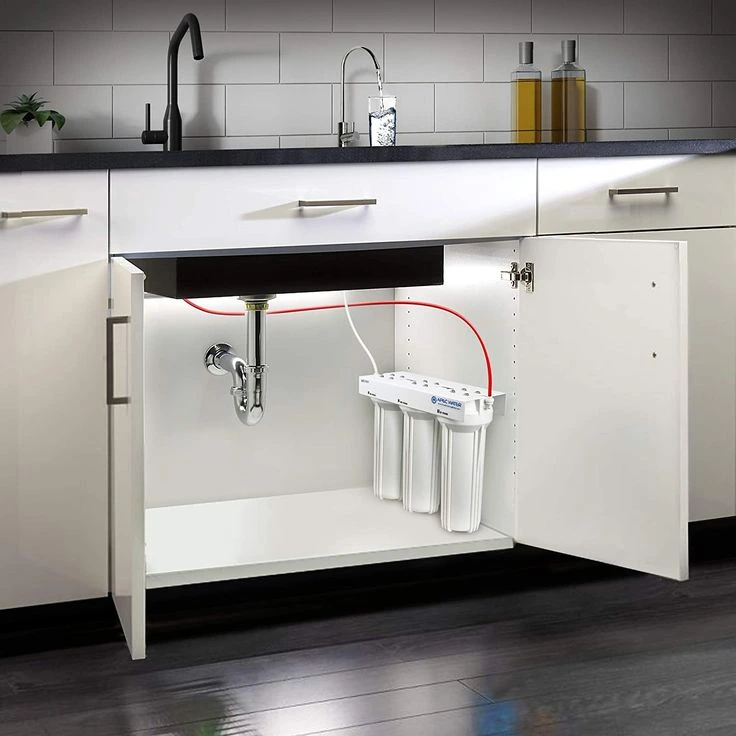
You might love the taste of Brisbane’s coffee, but what about the taste of your tap water? In Brisbane, Water Filtration Systems are a hot topic – after all, our city’s water is famously pretty good, but a lot of locals still consider giving it the “GQ treatment” with a filter. As someone who’s stood at the hardware store aisle wondering “Could I hook that up myself, or should I ring the plumber?”, I hear you. This guide dives into everything from water quality in Brisbane to the nitty-gritty of installing filters. We’ll compare DIY vs professional installations, so by the end you’ll know whether to grab a wrench or dial a number.
Why Think About Water Filtration in Brisbane?
Brisbane’s tap water is no joke – it’s treated to meet strict Queensland standards. The Queensland Government reminds us that drinking water must hit certain health and aesthetic values. Chlorine is added to kill germs and give water its (sometimes-pungent) ozone smell, and the authorities keep a close eye on trace elements like copper or iron. In fact, Seqwater, our regional water supplier, proudly says they provide a “safe, high-quality water supply” that meets the Australian Drinking Water Guidelines.
But let’s be honest: even with all those checkmarks, plenty of Brisbanites have their doubts (and tastes!). Maybe you’ve noticed a slight chlorine tang, or a stubborn layer of calcium chalk on your kettle – totally harmless, yet kind of annoying. (Brisbane water is known to be on the harder side, with mineral levels that can leave limescale on fixtures.) These are the quirks of our dams and rivers, not dangerous stuff, but enough to make you think: “Do I need an extra filter?”
So, why do Brisbane homes consider water filtration systems at all? Mainly for improved taste, odor and sometimes safety. A good filter can zap any remaining chlorine, organic muck, or pesky minerals that make water taste “off”. Western Australia’s health department even notes that many filters “improve the taste and odour of water” by removing naturally occurring or added chemicals. (Activated carbon filters are champs at this – they soak up chlorine, iron, manganese and other gunk.) If you use rainwater or a private bore, filtration can be about safety too: Queensland Health reminds tank owners that you’re on the hook for your water’s quality.
In short, Brisbane tap water is generally safe and well-managed, but a filter can make it taste fresher or tackle those hard-water headaches. Let’s explore what kinds of filters are out there.
Types of Water Filtration Systems
Brisbane homes have plenty of water filtration options. Here’s a quick rundown of popular systems:
- Pitcher/Bench-Top Filters (Carbon Cartridges): Think Brita-style jugs or filtered pitchers. These are cheap and easy – you fill a container, and carbon absorbs chlorine and some tastes. They can improve taste but only handle a small flow (great for a nightstand or gym use, not fast enough for a shower!).
- Tap/Countertop Filters: Attach to your kitchen tap or sit on the bench. They usually contain activated carbon to remove odors and chlorine. Handy for drinking water, but not a whole-house solution.
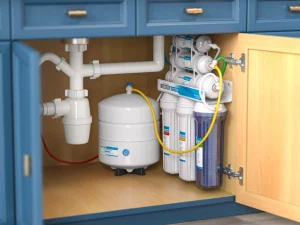
- Under-Sink Filters (e.g. Reverse Osmosis or Multi-Stage): Installed under the kitchen sink, they often use multiple stages (sediment trap, carbon, RO membrane). Reverse osmosis (RO) systems stand out – they can strip out bacteria and most dissolved chemicals. (RO even softens water by removing calcium and magnesium salts, though it wastes some water in the process.) Under-sink filters deliver highly purified water to a dedicated tap.
- Whole-House Filters/Softener: Plumbed into your main supply, these systems treat all water in the house – showers, laundry, everything. They can use media (like carbon or salt-based softeners) to reduce hardness and remove chlorine from every tap. A whole-house softener can prevent limescale on kettles and glassware (major plus if your Brisbane water is “hard”). Installation is more complex, but it means filtered water everywhere.
- UV Sterilizers or Special Filters: If you have tank water or a rural supply, ultraviolet lamps or special ceramic filters can kill bacteria. Queensland Health notes that only RO or disinfection (UV/chlorine) fully removes pathogens. So for rainwater tanks, a combo of filters + UV is often used.
|
Filter Type |
What It Removes | Installation |
|
Pitcher/Portable |
Chlorine, some tastes/odours | Plug-and-play (no plumbing) |
|
Tap/Countertop |
Chlorine, light sediments | Screw-on (minimal plumbing) |
|
Under-Sink (Multi-stage) |
Chlorine, heavy metals, some bacteria |
Requires under-sink plumbing |
| Reverse Osmosis (RO) | Most chemicals/minerals, bacteria |
Under-sink (often needs drain) |
| Whole-House Filters | Chlorine, sediment, hardness |
At main water line (professional) |
| UV Filter (tank) | Bacteria, parasites |
Plumbing to entire house (pro) |
Table: Common water filtration systems. RO = reverse osmosis. Softener = whole-house salt-based system.
Image suggestion:
With so many choices, where do you even start? The right filter depends on your water quirks and goals. For example, if your concern is mostly chlorine taste in drinking water, a simple carbon filter (even a fridge filter or jug) might do. If hard water spots plague your shower and kettle, a whole-house softener is the superhero.
DIY Installation: The Good, the Bad, and the Wet
So you’re handy (or you think you are). The idea of DIY water filtration sparkles with savings and control. Buying and installing a filter yourself means only paying for parts, not labor. You’ll feel proud setting it up with your own two hands. For simple systems like pitcher filters or clip-ons, it really is plug and play. Even many under-sink kits come with instructions that make it seem straightforward: “Just cut the cold water line, attach fittings, twist in the filter…” Right?
In theory, DIY is attractive. A clever home-improver might enjoy the project and keep more cash. As Bluonics puts it, DIY appeals for cost savings and the “satisfaction of completing a project independently”. You get to peek behind the plumbing curtain and understand exactly what’s going on. And if you already have tools and a Saturday to spare, why not?
However (and there’s always a however) – be aware of the risks. DIY water filter installation is not always a walk in the park, especially for whole-house systems. It requires serious plumbing chops and the right tools. Bluonics bluntly lists considerations: you need “plumbing skills and knowledge of local building codes”. If you’re not 100% confident using pipe cutters, soldering copper, or shutting off water safely, you could make a mess. Plumbing in Australian homes (especially older Queenslanders) can be surprisingly non-standard!
Common DIY pitfalls include:
- Leaks & Floods: A loose fitting or cracked pipe can lead to water dripping into cabinets or, worse, spraying the floor. We’ve all seen the basement floods on home renovation shows. One Aussie plumbing team warns that many DIY water filter jobs end with leaks or water damage if not done perfectly. And mold in a cabinet is nobody’s idea of fun.
- Low Water Pressure: Improper installation can restrict flow. If you poke too many holes or choose a tiny pipe, you might find your shower gurgling.
- Warranty Woes: Here’s a gotcha: many filter manufacturers void the warranty unless a licensed plumber installs the system. That means if you install it and something breaks, you might be left footing the full bill.
- Time and Sweat: It might take all weekend, with trips to the hardware store, and a YouTube break every 5 minutes to double-check instructions.
Think of DIY like assembling IKEA without instructions. It can be rewarding, but one wrong screw and the cabinet falls apart. 😅 Even Bluonics advises: DIY saves some money but “comes with risks, such as the potential for leakage if not installed correctly”. In short, your DIY path is doable if you truly know what you’re doing – otherwise, you might end up wishing you’d called a pro.
Pros and Cons of DIY
- Pros: Lower up-front cost (just equipment). Flexible timing. Satisfaction of doing it yourself.
- Cons: Requires plumbing skills and tools. High risk of leaks or pressure issues. Time-consuming. Possible voided warranty.
Hiring a Professional: Plug-and-Play Peace of Mind
On the flip side, calling in a licensed plumber (or water filter specialist) can turn the install from a weekend drama into a half-day breeze. Plumbing pros have been there done that – they bring all the right tools (pipe cutters, wrenches, soldering kit, etc.) and know exactly how to make a watertight connection. As one US home pro site puts it: “Hiring a licensed and experienced plumber is your best bet for installing a whole-house water filtration system”.
Here’s why going pro is often worth the extra dollars:
- Expertise & Compliance: Plumbers live and breathe pipes. They know local codes and where the shut-off valves hide. They’ll pick the ideal spot (usually near the main water inlet) so every drop passes through the filter. They’ll install bypass valves if needed and leave room for future maintenance. No surprises, no guesswork.
- Guaranteed Workmanship: Many plumbers offer warranties on their work. If a leak somehow appears a week later, they’ll come fix it without charging extra. And remember that manufacturer’s warranty? They’ll install to spec so it stays valid.
- Time & Convenience: You trade a few hundred dollars for literally hours of work. Most pros can set up an under-sink or whole-house filter in just 2-4 hours, including testing. You get clean water faster, with minimal disruption to your day.
- Tailored Advice: A good plumber won’t just bolt on a random filter – they’ll assess your Brisbane home’s water. They know our local water can be hard on appliances, and they can recommend if you need a softener in your whole-house system or a UV light for extra safety.
On the downside, professional installation costs more. You’re paying hourly labor, which in Australia might range from $80–$150 or more. But consider this: cheap labor can be expensive labor if things go wrong. The cost of fixing a flood or undoing a botched job could dwarf the install fee.
One Australian plumbing blog sums it up nicely: DIY may save time of booking a pro, but hiring a licensed plumber “ensures watertight seals [and] proper integration into your home’s plumbing system”. And remember, worst-case scenario without a pro, you might need to pay a plumber anyway to fix your mistakes!
Pros and Cons of Hiring a Pro
- Pros: Expert installation with warranty. Quick and efficient. Proper tools and parts on hand. Code compliance. Peace of mind.
- Cons: Higher initial cost. Need to schedule (but many local Brisbane plumbers offer fast turnaround).
A quick table sums it up:
|
Factor |
DIY Installation | Professional Installation |
|
Cost |
Lower (parts only) | Higher (labor + parts) |
|
Expertise Needed |
High (you supply skills/tools) | None (let the pro handle it) |
| Time Required | Long (maybe a day or more) |
Short (often a few hours) |
| Guarantee & Warranty | Self-limited; may void manufacturer’s warranty |
Workmanship warranty; product warranty intact |
| Risk (Leaks, Damage) | Higher (mistakes happen) |
Lower (pro-tested installation) |
| Plumbing Code Compliance | Yours to manage (risk of breach) |
Guaranteed (licensed to code) |
Table: DIY vs professional installation comparison.
Ultimately, the choice depends on you and your situation. If you’re a confident DIYer with plumbing experience (or it’s just a simple faucet filter), go for it. If you’d rather relax and sip a beer while someone else handles the torque wrench, booking a plumber might be worth it.
Cost Considerations and Long-Term Value
Let’s talk numbers (rough ballparks in Aussie dollars). A basic pitcher filter can be under $100, and installation is a nothing-burger. An under-sink carbon filter kit might be $200–$500, plus if you hire a plumber it could add $150–$300 for installation (depending on complexity). Reverse osmosis systems (under-sink, with tank) range from ~$500 up to $1500 for high-end kits; installation might be $200–$400. Whole-house filtration/softening is pricier: equipment alone can easily hit $1,000–$3,000 for a good system, and plumber time another $300–$600.
Do the math: A plumber’s fee (say $100/hr) plus the system might mean a $2,000 total spend. Compare that to the cost of constantly buying bottled water or running hard-water appliances (limescale can clog hot water heaters and ruin kettles!). Many find the investment pays off in convenience and longevity.
Also factor maintenance: Filter cartridges need changing regularly (every 6-12 months typically). Buying replacements is ongoing, whether you DIY or pro. The difference is, if you had a plumber install it, you might book them or a service plan to swap filters for you each year (some plumbing shops offer filter subscription services).
We won’t turn this into a price-list (no outright ads or brands here!), but just remember – if your fridge filter or purifier is $50 a pop, budget for that. And if your plumber suggests getting a bigger unit because, say, Brisbane water hardness will clog the small one fast, trust that local expertise.
Tips for Brisbane Homeowners
- Test your water (even informally): Some local stores or health shops sell test kits for hardness, pH, or basic contaminants. Not lab-accurate, but it clues you in. If you’re on tank water or bore, definitely test for bacteria or heavy metals.
- Match Filter to Need: Drinking tap’s fine? Maybe just a small filter for the kitchen. Noticed baking soda spots on your dishes? A whole-house softener might be the cure. Ask local Brisbane forums or neighbours – what do they use? (Brisbane Reddit, Nextdoor, etc. can be revealing).
- Look for Certifications: In Australia, filters should meet certain standards. For example, the NSF certification (international) or local equivalents. The WA Health site notes that not all filters kill bacteria – make sure your spec matches your goal.
- Check with Local Water Utility: Brisbane’s Urban Utilities and SEQ Water Grid have resources. They often update about water taste or issues (like that famous taste-and-odor event a few years back). If there’s news about your suburb’s supply, read it. The Queensland Government site even suggests contacting your provider if you suspect problems.
- Plan for Maintenance: Remember, a filter is only good until it’s clogged. Under-sink or whole-house systems need new cartridges yearly (sometimes more often if your water is heavy in sediment). Set a calendar reminder, or ask your installer to leave an automated reminder.
If you want more official info, the Queensland Government has a drinking water regulation page explaining safety standards. It’s a solid gov link to save – after all, they oversee your supplier.
FAQs
Q: What contaminants do water filters remove?
A: It depends on the type. Simple carbon filters remove chlorine and improve taste/odour. Reverse osmosis can remove chemicals, minerals, and some bacteria. UV or ceramic filters are needed to kill germs or parasites. Check the filter’s specs.
Q: How much does it cost to hire a plumber for installation?
A: Prices vary, but think hundreds of dollars. Plumbers might charge by the hour or a flat fee. The job usually takes a few hours, so budget around $300–$600 for labor, depending on your system’s complexity and your location in Brisbane.
Q: What’s the advantage of a whole-house system over an under-sink filter?
A: A whole-house system filters all water entering your home – showers, laundry, kitchen – not just at one tap. It removes chlorine and hardness everywhere, protecting your pipes, appliances and skin from minerals. Under-sink filters only serve drinking water, so showers and baths are still running on unfiltered (harder) water.
Q: Do water filters soften hard water?
A: Most carbon filters won’t soften hard water (they don’t remove calcium/magnesium salts). A reverse osmosis unit will reduce hardness in the filtered output, and a dedicated water softener (salt-based) is usually needed for whole-house hard water treatment.
Q: How often do filters need replacing?
A: Generally every 6–12 months for carbon/cartridge filters. Reverse osmosis membranes might last 2–3 years. Your installer or product manual should give a schedule. Regular changes ensure the filter works effectively and prevents clogging or bacterial growth.
Conclusion
In the land of sunshine and barbecues, your Brisbane home deserves water that’s just as bright. Water filtration systems can make your tap water taste cleaner and protect your plumbing from minerals – whether you put it in yourself or let an expert do it. The DIY route can save money if you’re confident with tools and pipes, but remember the risks of leaks or voided warranties. Hiring a professional plumber costs more but buys you peace of mind, correct setup, and a solid guarantee.
Ask yourself: How important is hassle-free, top-notch water to me? If the answer is very, then investing a bit and getting a pro might be worth it. If you’re a budding handyman ready for a weekend project (and maybe a minor adventure), a DIY install could be fun. Either way, the result – fresh, filtered water – is something everyone can toast to.
Ready to get started?
Whether you DIY or hire a pro, make sure you choose a system that fits Brisbane’s unique water, and check those official resources. Your future self (and your tap) will thank you with every crisp, clean sip.