


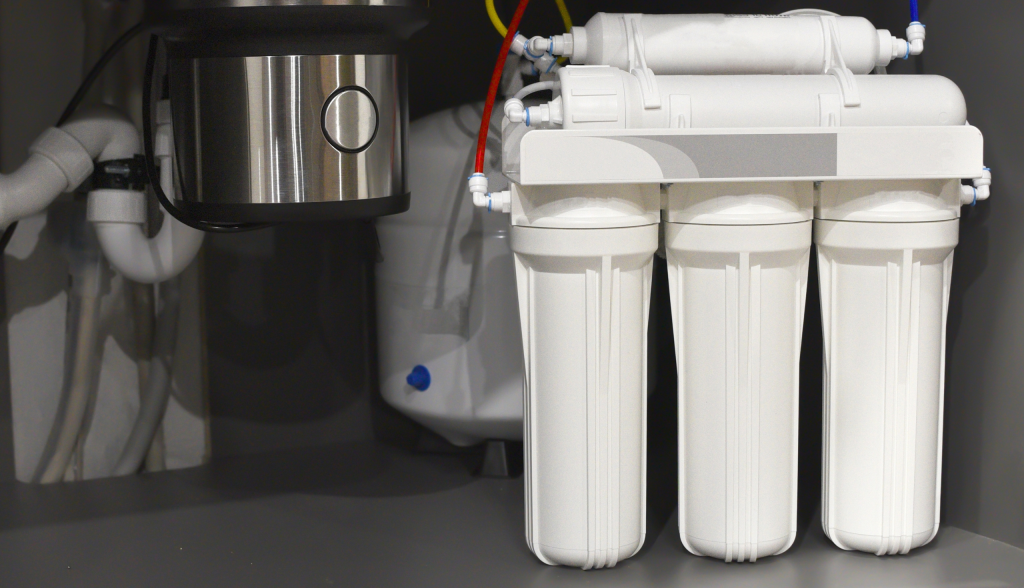
Brisbane’s tap water is treated to meet the Australian Drinking Water Guidelines, and local utilities routinely test for safety, clarity and chemical balance. Even so, many households choose Water Filtration Systems as an added layer of protection to improve taste and reduce minor impurities that may remain after standard treatment.
Natural events such as heavy rain, algal activity or changes in source water can occasionally affect the taste and smell of tap water. These variations are usually harmless, but they are a common reason why residents turn to Water Filtration Systems for more consistent water quality.
Water Filtration Systems in Brisbane help reduce chlorine, organic compounds, sediments and trace contaminants that can influence everyday water use. For many homeowners, filtration provides reassurance that their drinking water stays clean, stable and pleasant year-round.
Across the city, households rely on Water Filtration Systems not only for taste improvements but also for added confidence in long-term water quality. With ongoing advancements in filtration technology, more Brisbane residents are choosing these systems to complement the city’s existing water treatment processes.
Modern Water Filtration Systems offer effective removal of unwanted elements, supporting households that want higher purity standards than basic municipal treatment alone.
Why Water Quality Matters (Even in Brisbane)
You might assume Brisbane’s water is pristine – and generally it is safe to drink. South East Queensland suppliers meet stringent standards, and yes, official reports say our water is “safe to drink and meets all guidelines”. But those reports are based on testing for known issues; they don’t cover taste or all the small stuff.
For example, the water authorities will remove bacteria, most heavy metals, and kill germs with chlorine. They’ll also check for lead, pesticides, and more. However, some things slip by: trace pharmaceuticals, microplastics, or tiny particulates. Even safe levels of things like chlorine (which kills microbes) can affect taste.
In fact, Queensland’s customer report notes that our water follows the rules, but hardness is an aesthetic (not a health) guideline of 200 mg/L (as CaCO₃) – meaning yes, Brisbane water is often hard, with lots of dissolved minerals, which leave chalky scale if untreated.
”Hard water is caused by dissolved calcium and magnesium salts… There is no health risk with hard water, however it can be difficult to lather and can cause scaling problems in hot water systems.”
That means limescale in kettles and less soap suds – annoying but not dangerous. Filtration systems (especially those with a softening stage) can cut those minerals. Meanwhile, other aesthetic factors are at play. Chlorine is added to kill germs, which is great for health, but it can give water a noticeable “pool” smell and affect taste.
Organic compounds from algae (the musty MIB mentioned above) are tasteless killers of flavor. Even harmless sulfur compounds can make water smell like rotten eggs (the CDC warns that foul odors can come from non-harmful sources). In all these cases, you’re safe but you know it’s there. A filter that targets taste/odor (like NSF/ANSI Standard 42 filters) will reduce that chlorine or MIB taste, so your water simply tastes crisp and neutral — a result many homeowners achieve with Water Filtration Systems.
Finally, there’s the unknown unknowns: small amounts of things like PFAS, lead from old pipes, or agricultural chemicals. These are either regulated to near-zero or appear only in tiny amounts. Seqwater highlights that PFAS levels in our drinking water are far below the new health guidelines – on the order of “one drop of PFOS in 3 Olympic pools”.
That’s tiny, but if you’re cautious, certain filtration systems (like reverse osmosis) can cut those even further. In short, Brisbane’s water quality is good, but filters let you achieve great – better taste, plus that extra layer of contaminant removal that many residents seek through Water Filtration Systems.
Common Contaminants in Brisbane’s Water
Let’s quickly list what might be lurking in the pipes, even after the water reaches your tap:
- Minerals (Hardness): Calcium and magnesium carbonates dissolve in Brisbane’s rivers. They’re harmless to drink but cause scale on taps, kettles and dishes. Carbon filters don’t remove hardness – you’d need a water softener for that.
- Chlorine and Chloramines: Added disinfectants keep water microbe-free, but their taste and odor can be off-putting. Filters with activated carbon or catalytic carbon remove these easily, improving flavor.
- Organic Compounds (Taste/Odor): After rain, algal metabolites like MIB and geosmin can make water smell earthy. Again, carbon-based filters can trap those smelly molecules.
- Heavy Metals: Metals like lead (from old plumbing), copper or iron (rusty pipes) might enter small amounts. These can stain laundry or do health harm at higher levels. A filter certified to NSF/ANSI 53 or 58 (e.g. a good reverse osmosis) will remove most lead and heavy metals.
- PFAS (“Forever Chemicals”): These industrial chemicals are in soils and water globally. Brisbane’s levels are very low, but filtration (RO or special media) can target PFAS too. Seqwater confirms our raw and treated water remains below guideline values for PFAS.
- Microbes (Bacteria, Cysts): Normally killed by disinfection, but rare “boil water” events can occur (e.g. after floods). Specialty filters (NSF 53/58) or UV systems can catch any Giardia, Cryptosporidium or bacteria if they get through.
- Sediment and Rust: Particles from pipe corrosion or dust can make water cloudy. Cartridge filters or whole-house filters remove grit, protecting your fixtures.
Each of these can be addressed by the right filter. In Brisbane, the most common worries are taste (chlorine, organic tastes) and hardness/scale. But savvy homeowners also want protection against heavy metals and emerging chemicals – after all, “better safe than sorry.”
How Do Filtration Systems Work?
Water filtration is basically like giving your tap water a mini water treatment plant in your home. Different systems use different mechanisms:
- Activated Carbon: This is the go-to for taste and odor. Picture the filter material like a sponge that soaks up chlorine, pesticides, herbicides, and organic molecules. Carbon filters improve taste and smell, but they aren’t meant to kill germs or handle very fine particles. (Pro tip: Carbon filters often carry the NSF/ANSI 42 rating for aesthetic effects – they’re tasting champs.)
- Reverse Osmosis (RO): Think of RO as ultra-fine mesh. Water is pushed through a semi-permeable membrane, leaving behind up to 99% of contaminants. Heavy metals, fluoride, nitrates, PFAS – many nasty stuff stays on the “wrong” side of the membrane. The result? Very pure water. (RO systems are usually under-sink units with a separate faucet for the filtered water.)
- UV or UV-LED: These use light to zap microorganisms. UV kills bacteria and viruses without adding anything to the water (no taste change). It won’t remove chemicals or particulates, so it’s often used after other filters as a final safety step.
- Sediment Filters: These are the coarse screens for dirt, sand and rust particles. They’re often the first stage in a multi-filter setup (think “pre-filter” for RO or whole-house systems).
- Ion Exchange (Softener): Technically this swaps out calcium/magnesium for sodium or potassium to “soften” water. It’s not a filter per se, but many whole-house systems include one to tackle hard water. (Important: a simple carbon filter will not remove hardness, so Brisbane homes with limescale issues often pair filters with a softener.)
Below is a quick comparison:
|
System Type |
What It Removes | Typical Use Case |
|
Activated Carbon |
Chlorine, odors, some VOCs (tastes/chemicals) | Under-sink filter, water pitcher, faucet attachment (improves taste) |
|
Reverse Osmosis |
Most dissolved solids, heavy metals, PFAS, fluoride | Under-sink or countertop (ultra-purified drinking water) |
| UV (Disinfection) | Bacteria, viruses (no chemicals) |
Attached after filters for high-risk areas, well water |
| Sediment Filter | Rust, sand, dirt, particulate |
Whole-house or pre-filter for drinking filters |
| Ion Exchange/Softener | Calcium, magnesium (hardness) |
Whole-house softeners for scale-free plumbing |
In Brisbane kitchens, many of these under-sink carbon or RO units are popular. They hook to your cold water line, filtering only the water for drinking and cooking. (The CDC notes these “point-of-use” filters are great if you just want clean water at one tap.) By contrast, a whole-house filter (installed at the water meter) would protect all water lines – handy if you want to remove chlorine from shower water or protect appliances.
Just remember: if a whole-house filter strips out all chlorine or disinfectants, the CDC cautions that germs may grow in the pipes if not re-treated. That’s why careful design and maintenance (or UV back-up) is key, especially when choosing Water Filtration Systems for reliable household performance.

In each system, the filter works by pore size or adsorption: big stuff can’t pass through a small hole, and certain chemicals stick to the filter media. For example, a 0.5-micron carbon block will catch the tiniest sediment and most chlorine molecules. A membrane of reverse osmosis is even tighter – practically no particles or many chemicals can get through.
In practice, filter manufacturers usually label exactly what their product removes (often citing NSF tests). It’s wise to check those specs or get a water test so you know what you need. The CDC recommends testing your water before picking a filter: if there’s nothing harmful found, you might skip an aggressive filter. But if tests show contaminants (or if you just want the best taste), then match the filter to the job using Water Filtration Systems that suit your specific needs.
Benefits of Water Filtration Systems in Brisbane
So what good comes out of all this? Here’s what Brisbane homeowners can look forward to:
- Better Taste and Odor: No more chlorine tang or earthy notes! Carbon filters (NSF-42) happily remove the substances that make tap water taste “off,” so your tea, coffee and cooking only taste like what you add, not the water itself. Your morning glass of water or smoothie will just taste clean and crisp.
- Health Protection: Filtration cuts harmful stuff too. NSF-53 or RO systems trim lead, industrial chemicals, and other health-hazard contaminants. This is reassuring if you have babies or immuno-compromised family members (pure water for baby formula, for instance). One AWF resource notes that certified filters remove heavy metals like lead and mercury and microbes – those are things you really don’t want in your body.
- Catch the “Invisible Threats”: Even when water authorities say “safe,” we saw how some contaminants don’t show on taste tests. A filter is like a seatbelt for water safety – maybe you’d be okay without it, but why risk it? For example, filters certified under NSF-53 are specifically designed to remove low-level health threats (lead, VOCs, cysts), giving an extra barrier beyond regulation.
- Appliance and Plumbing Lifespan: Brisbane’s hard water can wreck kettles, coffee machines, and heaters with scale. A quality system (or separate softener) can avoid that buildup. Plus, sediment filters keep grit out of pipes, preventing clogs and maintenance headaches.
- Environmentally Friendly: Using a home filter often means buying less bottled water. That’s one fewer plastic bottle floating in the ocean or in the bin. Surprisingly, high-quality filters (especially with proper certification) also minimize waste. Certified filters are built to be efficient, reducing water waste compared to cheap knock-offs. (One AWF guide points out that sustainable filter products reduce waste and “contribute to environmental conservation efforts”.)
- Cost Savings Over Time: Thinking long-term, a filter can pay back its cost. Instead of repeated bottled water purchases or replacing scaled appliances, you invest once in a filter system and occasional filter changes. The AWF blog even notes that less illness from cleaner water can save on health expenses.
- Peace of Mind: Perhaps the biggest benefit is simple confidence. You know your local water authorities do their job, but having your own multi-stage filter means you control what ends up in your glass. With the right certifications (NSF, etc.), you have evidence of what each filter achieves.
Choosing the Right System for Your Home
Picking a system can seem daunting with so many brands and styles out there. Here are some tips (and some common-sense advice from agencies):
- Test Your Water: Before buying, get a water test (laboratory or test kit). Knowing your water’s makeup (pH, hardness, contaminants) helps. If there’s already nothing worrisome, you might opt for a simple carbon filter for taste. If tests show specific issues, pick a filter to tackle those (e.g. RO for nitrates/PFAS).
- Point-of-Use vs. Whole-House: Do you want to filter all taps or just drinking water? If it’s just kitchen drinking water, an under-sink or countertop filter is simpler and cheaper. If you’re bothered by hard water in showers or want guaranteed purity in washing machines too, consider a whole-house system with multiple stages.
- Check Certifications: Look for NSF/ANSI ratings on the unit. For instance, NSF-42 covers chlorine taste/odor, NSF-53 covers health-related contaminants (lead, VOCs), NSF-58 is for RO systems, and NSF-244 is for microbial reduction. Choose certified filters to ensure they do what they claim. (Pro tip: The NSF website lets you search any filter model for its performance data.)
- Capacity and Flow: Consider how much water you use daily. Simple pitcher filters run out quickly. Undersink and RO systems can serve a family. Whole-house systems must handle peak household flow, so they’re bigger setups.
- Installation Location: Many filters need a bit of space under the sink or in a laundry room. Whole-house filters usually install near where water enters the home (like a garage). Make sure you have room and access for filter changes.
- Maintenance Requirements: Remember, filters need changing. Activated carbon cartridges might last 3–6 months; RO membranes 1–2 years; UV bulbs ~1 year. The CDC points out that maintenance is key – dirty filters can breed microbes if left too long (source). So check the manufacturer’s recommendations, and set a reminder. Sometimes, paying for a plumber to do annual service is worth it for hassle-free upkeep.
- Budget vs. Value: An under-sink carbon filter can be a few hundred dollars installed, whereas a multi-stage whole-house system runs into the thousands. Weigh it against bottled water costs, appliance longevity, and health benefits. Often, you get what you pay for: premium systems with better certifications last longer and clean more.
Throughout the process, remember that experience and quality matter. An unlicensed installer might save a bit on labor, but a certified plumber will ensure no leaks and correct setup. They can also advise on local water issues. For instance, in some parts of Brisbane high manganese can stain plumbing fittings, so they might add a filter for that. In short, a professional can tailor a system that fits your water.
Conclusion
At the end of the day, Water Filtration Systems in Brisbane can turn good tap water into something great. They silently work day-to-day, giving you crisper water for coffee, safer water for cooking, and sparkling dishes without the detergent film. Even though Brisbane’s water supply meets health standards, a filtration system adds confidence and convenience.
Imagine the peace of mind when you pour a glass: no earthy aftertaste, no chlorine sniff, just refreshing water – because you set it that way. And as an added bonus, you’ll be reducing plastic waste by avoiding bottled water. Whether it’s a simple under-sink filter or a whole-home solution, the right system becomes a valued part of your home’s daily rhythm. If clean, clear, great-tasting water sounds good to you (and who wouldn’t love that extra assurance?), it may be time to explore filters further.
Ready to upgrade your tap water? Check your water report, talk to a local filtration specialist, or start with a home test kit. Every bit of knowledge helps – and with a proper filtration system, you and your family can drink deeply with confidence.
Frequently Asked Questions
Is Brisbane tap water safe to drink?
Yes. Brisbane’s tap water meets strict national guidelines. Utilities test it monthly for microbes and chemicals. Even when a weird taste occurs (from harmless algae compounds), health officials confirm it remains safe.
What can a water filter remove?
It depends on the type. Carbon filters cut chlorine, tastes and odors. Reverse osmosis can remove heavy metals, PFAS, fluoride and many dissolved solids. UV sterilizers kill microbes. Note: common filters don’t remove hardness (calcium/magnesium), which needs a softener or RO.
Do I really need a filter if Brisbane’s water is good?
That’s personal. If you dislike the chlorine taste or want extra health protection (for peace of mind, baby formula, etc.), a filter helps a lot. It’s like choosing to seatbelt up – tap water is usually safe, but filtering adds an extra safety blanket against contaminants invisible to taste or sight.
What maintenance does a filtration system need?
Regular filter changes! Pitchers or faucet filters often need new cartridges every 1–3 months. Under-sink carbon or sediment filters usually change every 6–12 months. RO membranes last 1–2 years. UV bulbs about annually. Staying on schedule is crucial to avoid bacterial growth in old filters.
Can a water filter fix hard water?
Not by itself. Hard water (high mineral content) doesn’t change taste or pose health risk, but it does cause scale. Most standard filters won’t remove hardness. For that, a water softener (ion exchange) or a reverse osmosis unit is needed. So, if your main concern is limescale on your kettle or shower, mention that when shopping – you might need a combined system.